
By Audra Koscik
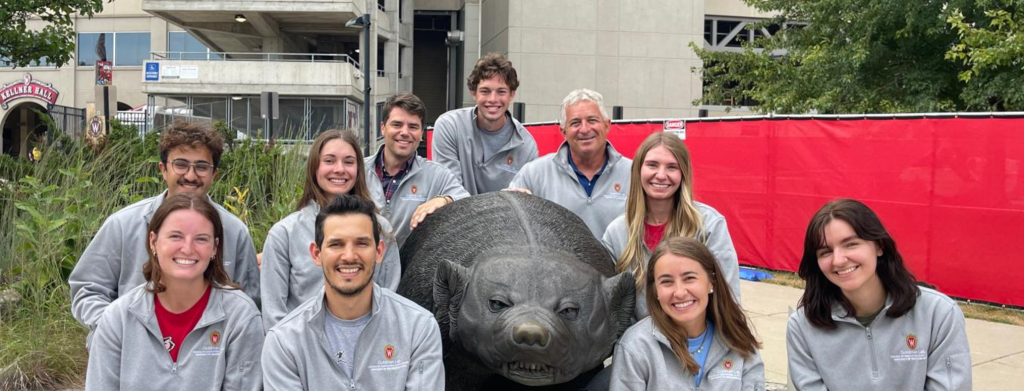
July 1st, 2025, Irwin Goldman began his new role as the first Wisconsin Potato and Vegetable Grower KWS Chair. This program was created by the Wisconsin Potato and Vegetable Growers Association (WPVGA) and is named in honor of professors emeriti Keith Kelling, Jeffrey Wyman, and Walter Stevenson (KWS). Each chair serves for five years and must be a tenured faculty working with potatoes or vegetables.
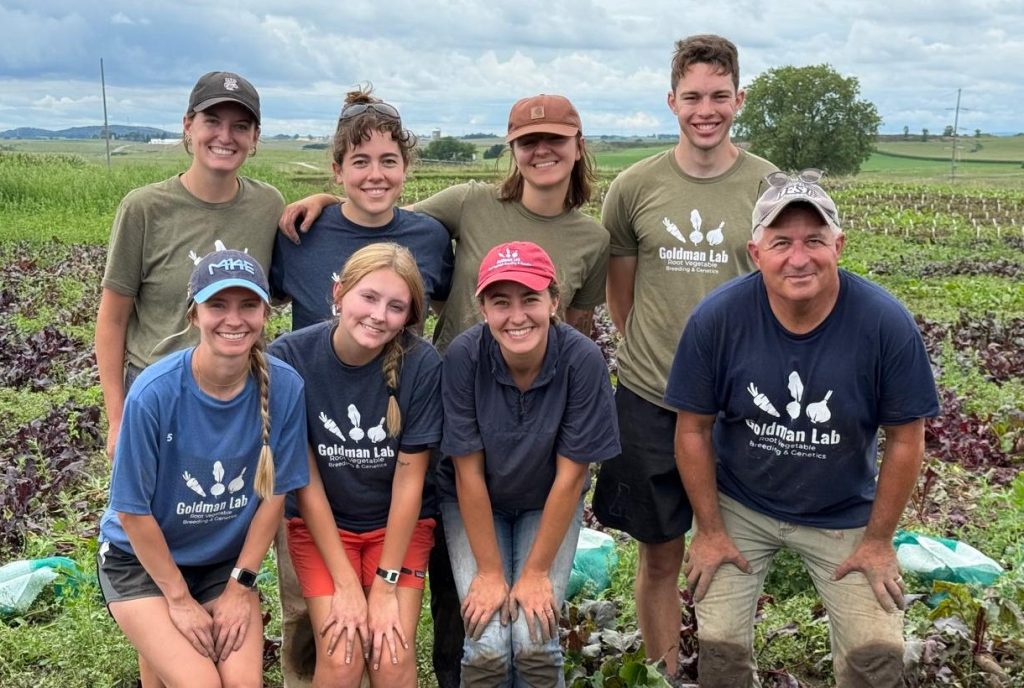
Goldman has long served the plant science community at the University of Wisconsin-Madison and growers across the Midwest. Goldman started working for UW-Madison in 1992. He teaches courses for undergraduate and graduate students on vegetable crops and plant science topics. He also leads the Goldman Lab which specializes in beet, carrot, and onion breeding and genetics. This lab is the only publicly supported table beet breeding program in the country and one of only a few publicly supported carrot and onion breeding programs in the United States. “We are very proud to be part of the long history of vegetable breeding and genetics that began at UW in the 1950s,” says Goldman.
The funds for the Wisconsin Potato and Vegetable Grower KWS Chair will support the chair’s graduate students. “Right now, this would support a couple of graduate students each year which is amazing,” says Goldman. “We’ve got such talented students, and they’re working on problems that are relevant for our community.”
Goldman’s students work on many issues that are pressing to growers such as diseases and pests in crops. “[Farmers] are having to grow these very tender plants,” says Goldman, “and the disease problems are very complex. They include bacteria, fungi, and viruses.” As such, the Goldman Lab breeds plants to be resistant to pests and pathogens.
The Goldman Lab also studies the crops’ nutritional quality. For instance, one of Goldman’s students is working on a particularly interesting problem surrounding nitrates. “For baby food, you have to be very, very careful with root vegetables,” says Goldman. “[Root vegetables] can accumulate quite a lot of nitrates, and nitrates are very toxic to infants.” However, nitrates can be very beneficial for adults, so stores will sell items for adults that contain root vegetables such as beet powder. “One of our students is studying the dynamics of nitrogen and nitrate accumulation in vegetables,” says Goldman. The student’s research will help consumer products and help growers know how to manage nitrogen in their fields.
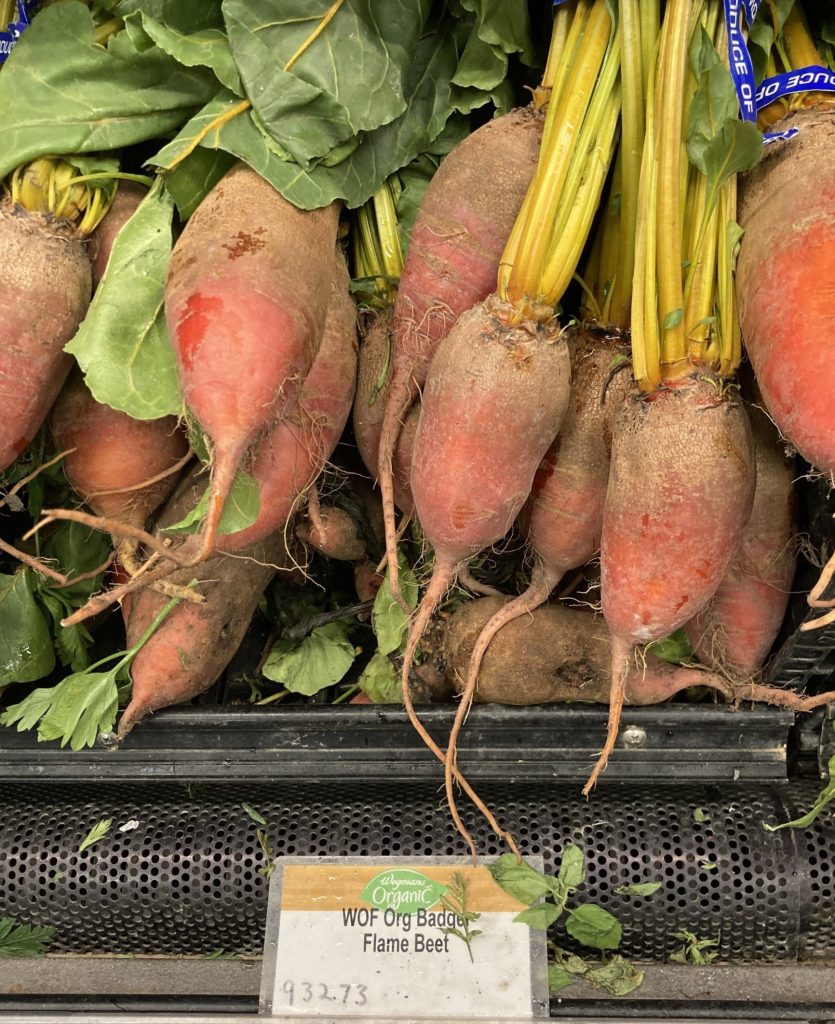
The lab also breeds plants for culinary quality for consumers and processors. “[We’re] ultimately improving color, flavor, shape, and texture and all of those culinary qualities that are why we eat these foods,” says Goldman. The lab has released several popular varieties, such as the Badger Flame Beet, that have improved many palates and plates across the globe.
As the Wisconsin Potato and Vegetable Grower KWS Chair, Goldman will be able to continue his lab’s work and expand upon some of the most important issues for growers. “I’m very honored,” says Goldman. “I feel like one of the best things about our jobs here is that we are put here by the people of the state,” he says. “To be able to serve that constituency and to be able to be a part of that is a tremendous privilege. I think I am speaking for myself and my students when I say that we take that very seriously.”